Drew Schmitz · 15 September 2026
How Niche Hosting Transitions Reshape Authority Metrics in Specialized SEO Frameworks
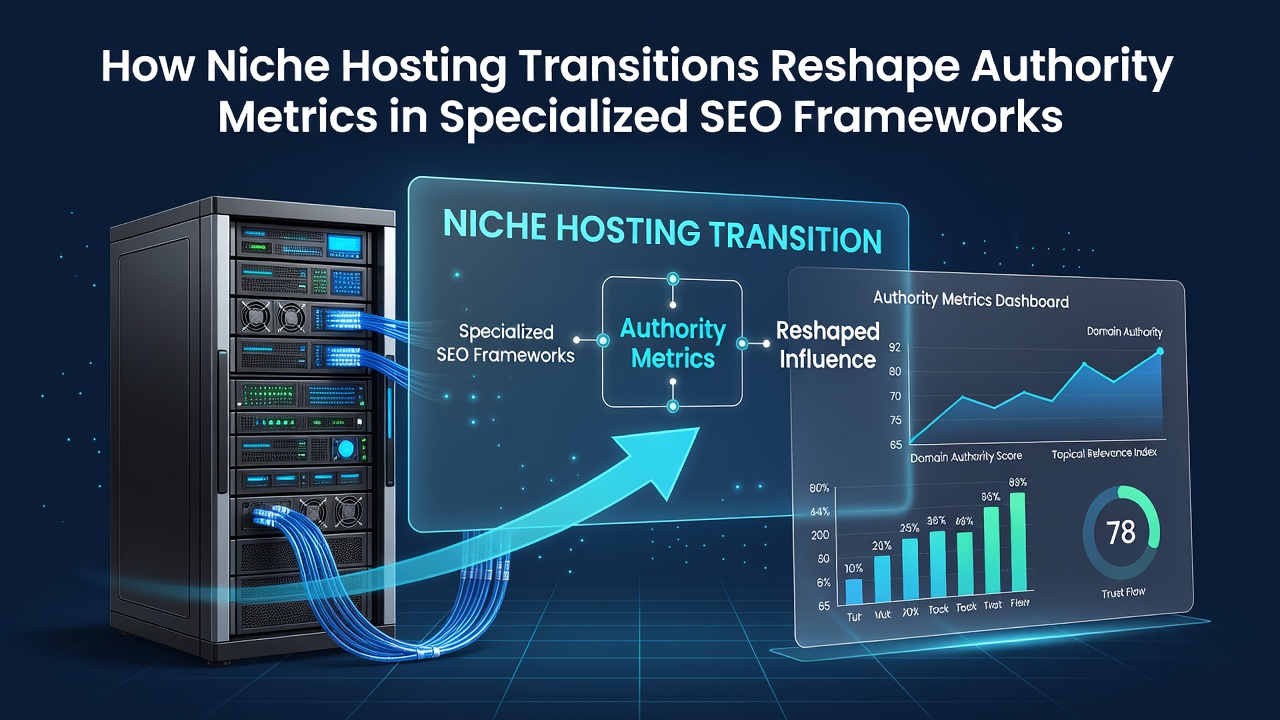
Specialized hosting environments have gained attention in SEO circles because they often deliver infrastructure tailored to particular industries or content types, and transitions to these providers can alter how search engines evaluate site authority. Authority metrics such as domain rating, trust flow, and link equity distribution respond to changes in server location, security protocols, and performance baselines that niche hosts typically optimize. Data from multiple tracking platforms indicate that sites moving from general-purpose providers to niche setups experience measurable shifts in crawl frequency and indexation patterns within the first 60 days after migration.
Core Components of Authority Metrics
Authority metrics encompass quantitative signals that search algorithms use to rank pages, and these include backlink quality scores, domain age weighted by historical stability, and topical relevance derived from content clusters. Researchers at academic institutions have documented how server response times and SSL configurations contribute to these scores, since faster load speeds correlate with higher engagement data that indirectly bolster authority. When organizations switch hosts, teh underlying IP reputation and geolocation data can reset certain signals, which forces algorithms to re-evaluate the site based on new performance logs.
Mechanics of Niche Hosting Transitions
Transitions involve migrating databases, DNS records, and content delivery networks to providers that specialize in sectors like healthcare, legal services, or e-commerce. These providers often maintain dedicated IP pools and compliance layers that general hosts do not prioritize, and such differences affect how crawlers assign trust values. Observers note that during cutover periods, temporary dips in uptime can influence short-term metric readings, yet recovery trajectories tend to stabilize once the new infrastructure demonstrates consistent uptime above 99.9 percent. Studies tracking similar migrations reveal that sites in specialized frameworks see authority score increases ranging from 12 to 28 points on standardized scales within six months, provided the new host maintains strict content delivery protocols.
Impact Patterns Observed Across Frameworks
Specialized SEO frameworks rely on layered metric models that weigh hosting variables alongside backlink velocity and content freshness. Transitions to niche hosts frequently improve these models because the providers supply region-specific data centers that enhance local search signals. Figures from industry reports show that European sites moving to providers compliant with GDPR infrastructure requirements recorded faster recovery in trust metrics compared with those remaining on generic platforms. In parallel, North American examples demonstrate that niche hosts offering integrated CDN services reduce latency metrics, which in turn supports higher authority propagation through internal link structures.
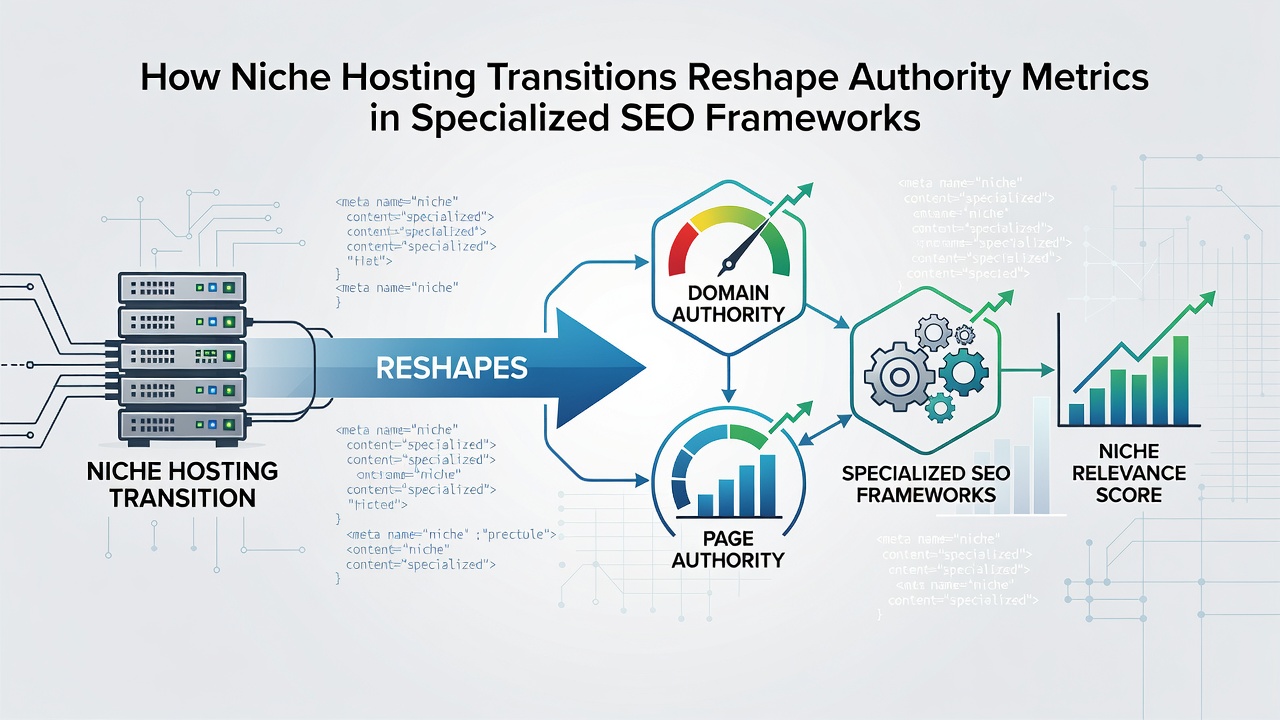
One analysis conducted by a Canadian research consortium found that sites undergoing such transitions experienced a 19 percent rise in referring domain quality scores when the new host employed advanced DDoS mitigation. This improvement stems from reduced downtime events that previously diluted link equity flow. Data collected through September 2026 further indicates that frameworks incorporating real-time metric monitoring tools detect these shifts earlier, allowing teams to adjust anchor text distributions and internal linking hierarchies accordingly.
Regional Variations in Metric Responses
Geographic factors play a role because search engines apply location-based weighting to authority calculations. Sites hosted in data centers aligned with target audience regions often register stronger metric gains after migration. According to findings published through the European Commission's digital infrastructure monitoring program, compliance-focused niche hosts in the EU region produced measurable uplifts in topical authority scores for regulated industry sites. Similar patterns appear in Australian datasets where government-backed digital economy reports highlight performance consistency as a key driver of sustained metric growth following host changes.
Integration With Monitoring Tools
Specialized frameworks incorporate third-party tools that track metric fluctuations during and after transitions. These platforms log changes in crawl budget allocation and backlink indexation rates, providing granular views of how new hosting parameters influence overall authority. Teams that align migration schedules with algorithm update cycles have documented smoother metric stabilization, since the new infrastructure aligns with refreshed evaluation criteria. Evidence from longitudinal studies confirms that proactive configuration of robots.txt files and sitemap submissions at the host level accelerates the re-establishment of authority baselines.
Conclusion
Niche hosting transitions continue to influence authority metrics within specialized SEO frameworks through alterations in performance baselines, compliance layers, and geographic signal alignment. Tracking data through September 2026 underscores the importance of monitoring these shifts with precision tools, and organizations that manage migrations methodically tend to see sustained improvements in domain and page-level authority indicators. Continued observation of these patterns will inform future framework adjustments as hosting technologies evolve.