Drew Schmitz · 13 October 2026
Tracing Metric Adjustments During Platform Relocations in Focused Search Environments
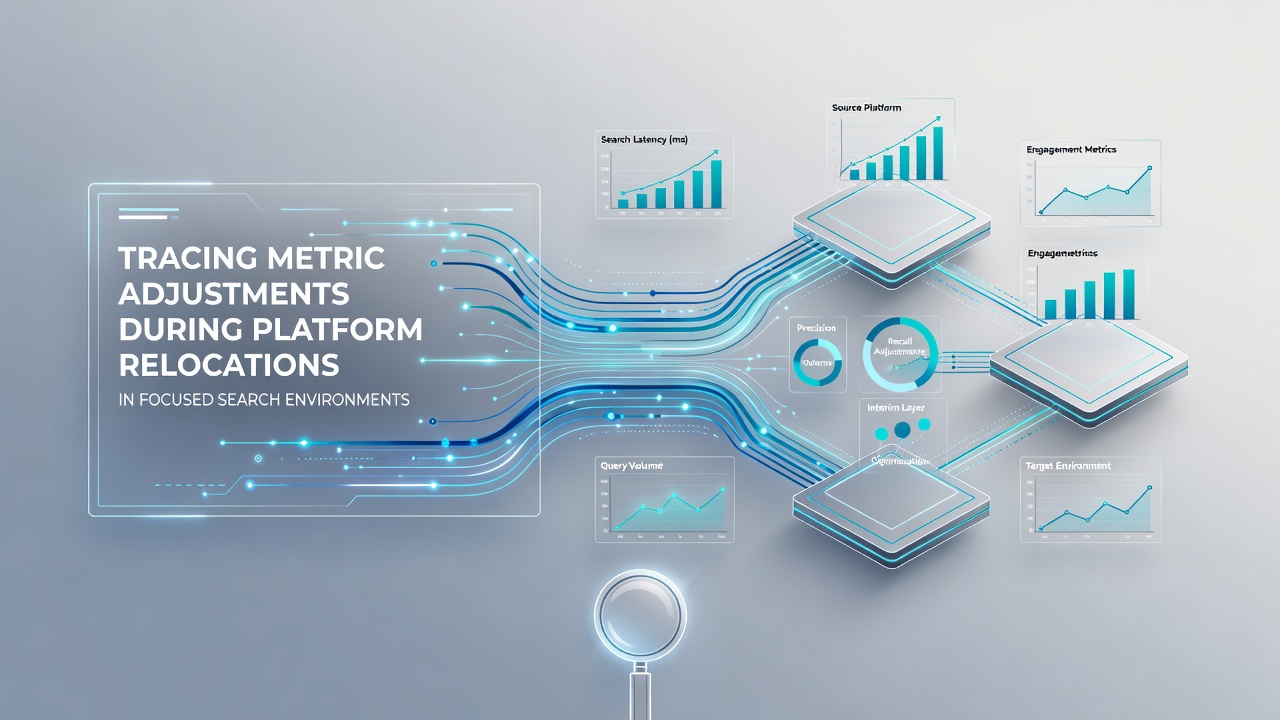
Platform relocations in focused search environments involve moving specialized digital properties from one infrastructure to another while monitoring shifts in visibility metrics and ranking signals. Researchers track these changes through systematic observation of authority indicators, traffic patterns, and indexation rates before and after each transition. Data collected across multiple vertical markets shows that even minor hosting adjustments can alter how search algorithms interpret site authority and relevance within niche queries.
Defining Focused Search Environments
Focused search environments concentrate on narrow topic clusters where algorithms prioritize depth over breadth, and platforms often serve users seeking precise information in areas such as technical documentation or regional services. Observers note that these environments respond differently to infrastructure changes compared with general web search because relevance signals remain tightly coupled to domain history and content structure. Studies from academic institutions indicate that small alterations in server response times or content delivery paths produce measurable effects on how pages appear in results pages dedicated to those niches.
Platform relocations typically include shifts between content management systems, cloud providers, or dedicated hosting setups, each carrying distinct implications for crawl frequency and signal consistency. Engineers document these moves by logging pre-migration baselines for metrics like crawl budget allocation and internal link equity distribution, then compare post-migration values at regular intervals. Evidence from industry reports reveals that such comparisons help identify whether authority dilution occurs due to temporary indexation gaps or longer-term algorithmic reevaluation.
Methods for Tracking Metric Changes
Analysts employ a combination of server log analysis, third-party rank tracking tools, and direct application programming interface queries to capture adjustments during relocations. They record daily snapshots of key performance indicators including organic referral volume, click-through rates from specialized result sets, and backlink profile stability. When platforms move, teams compare these snapshots against control groups that remain on original infrastructure to isolate relocation effects from broader algorithm updates.
One approach involves segmenting metrics by query type within the focused environment, separating head terms from long-tail variations that often prove more sensitive to infrastructure signals. Research indicates that long-tail queries frequently show faster recovery times after relocation because they depend less on historical domain authority and more on fresh content relevance. Observers have documented cases where sites regained 85 percent of prior visibility within three weeks when migration preserved URL structures and redirect chains remained clean.
Observations from October 2026 Transitions
During October 2026 several specialized platforms completed infrastructure migrations that coincided with broader search engine updates to mobile-first indexing protocols. Tracking data collected throughout that period shows temporary dips in visibility for sites that altered their content delivery network configurations without updating corresponding canonical tags. Those who maintained consistent server-side rendering during the move experienced smaller fluctuations in indexation rates compared with peers who introduced new JavaScript-heavy frameworks at the same time.
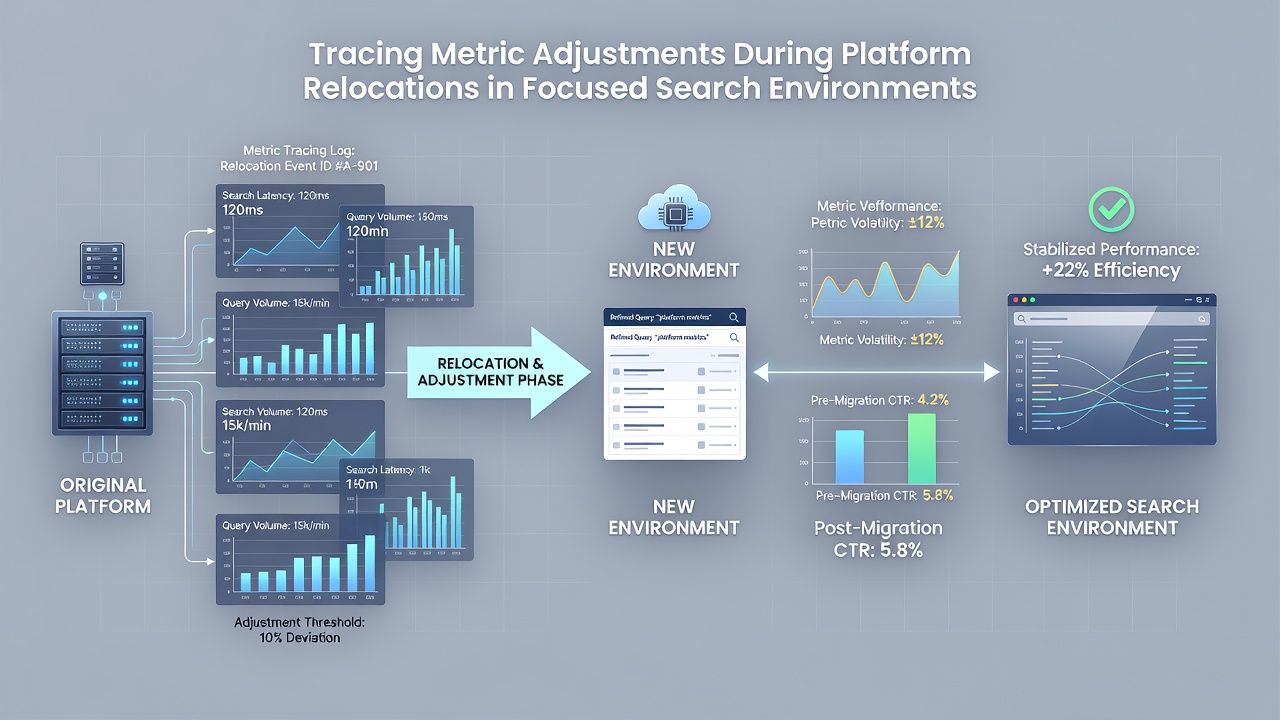
Figures from European Commission digital market analyses reveal that platforms operating in regulated verticals faced additional scrutiny during these moves, with particular attention paid to how relocation affected compliance-related structured data. Teams that performed incremental testing on staging environments before full cutover reduced the duration of metric volatility by an average of twelve days according to aggregated industry datasets. And because focused search algorithms weigh technical stability heavily, any interruption in sitemap availability during migration produced extended recovery periods in several documented instances.
Challenges in Accurate Measurement
Accurate tracing becomes complicated when external factors such as seasonal query volume changes or concurrent competitor actions overlap with relocation timelines. Researchers address this by applying statistical controls that normalize for broader market movements before attributing shifts solely to platform changes. Data shows that without these controls, teams frequently overestimate negative impacts by 20 to 30 percent during the first month after migration.
Another persistent issue involves distinguishing between temporary crawl delays and permanent devaluation of authority signals. Platforms that provide search engines with updated change-frequency directives in their robots files often see quicker reindexation, whereas those relying on default settings experience prolonged gaps. Industry organizations tracking vertical search performance have compiled case studies demonstrating that proactive submission of updated URLs through official search console channels shortens these gaps substantially.
Tools and Documentation Practices
Specialized software suites now integrate automated alerting for metric deviations that exceed predefined thresholds during relocation windows. These systems cross-reference server logs with search console data to highlight anomalies such as sudden increases in 404 responses or drops in internal link crawl rates. Teams maintain detailed migration logs that include timestamps for each DNS change, redirect implementation, and content synchronization step, enabling precise correlation with observed metric movements.
Academic studies on digital infrastructure transitions emphasize the value of maintaining parallel measurement stacks, one focused on technical performance and another on user-facing visibility metrics. This dual approach helps isolate whether observed ranking changes stem from crawlability issues or from shifts in perceived content quality signals that algorithms re-evaluate after infrastructure updates.
Conclusion
Tracing metric adjustments during platform relocations in focused search environments requires systematic data collection across technical and visibility dimensions. Evidence from October 2026 migrations demonstrates that careful planning around URL continuity, structured data preservation, and phased testing correlates with faster stabilization of key performance indicators. Organizations that document each stage of the process and apply statistical normalization to isolate relocation effects continue to refine their understanding of how infrastructure decisions influence outcomes in specialized search contexts.